
We're Here to Assist You
Outdoor Outlets & GFCI Safety: A Recent Job & Some Homeowner Tips
Category: Holiday
Published: 01 May, 2026
By Thomas, Owner of Thomas & Sons Electrical Contractors
What I Walked Into
I start seeing a lot more outdoor outlet issues once May rolls around. People are back outside using grills, plugging in tools, setting up lights, running extension cords, and that’s usually when problems start showing up.
A couple of weeks ago, I got a call from Jason out in the Greater Charlotte area. He told me he had plugged in a pressure washer, and the outlet just stopped working. After that, none of the outdoor outlets had power.
That’s a pretty common call this time of year.
The Problem
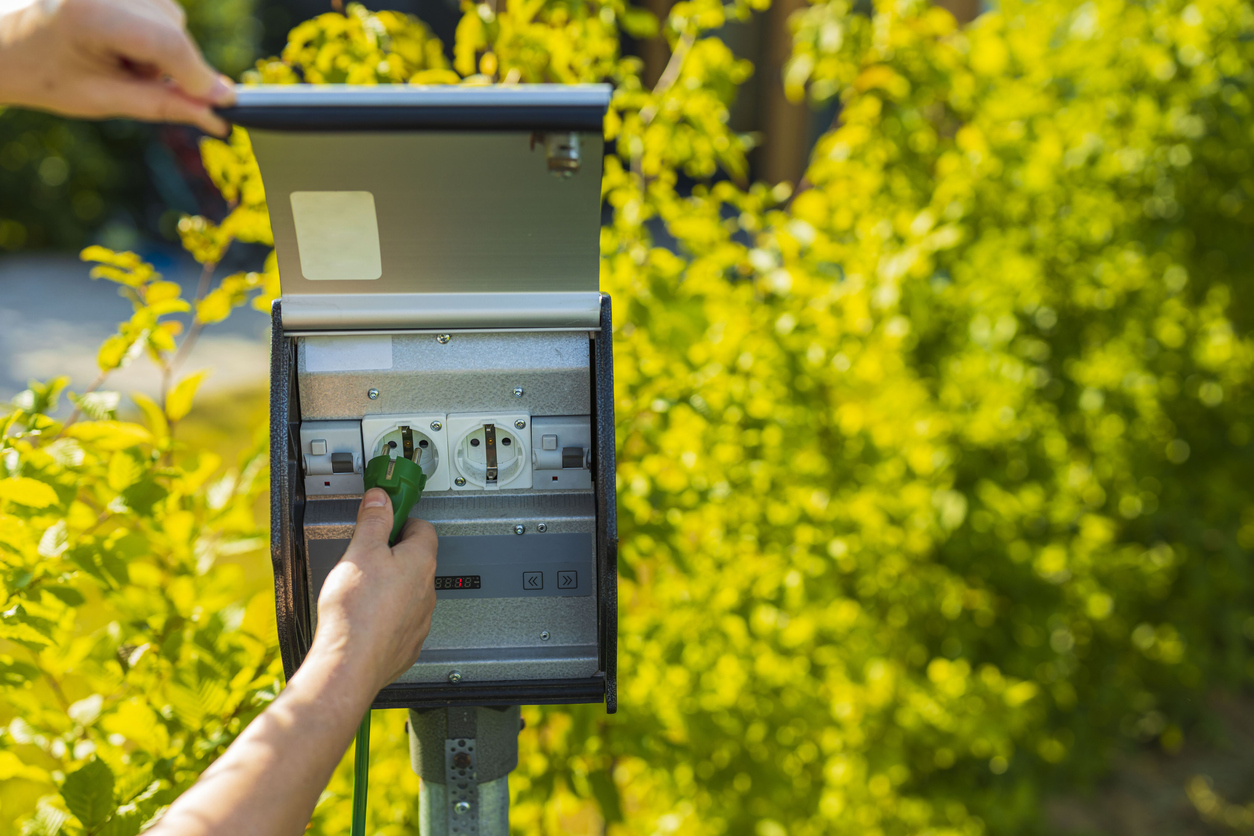
I took a look at Jason’s setup, and at first it all looked pretty normal. He had one outlet on the back patio and another along the side of the house, nothing unusual there. But once I started testing things, it didn’t take long to see where the problem was coming from.
The outdoor outlets were connected to a GFCI, which is designed to shut power off if it detects moisture or any imbalance. That part is doing its job, but in this case, it had tripped and wouldn’t reset, which told me something deeper was going on.
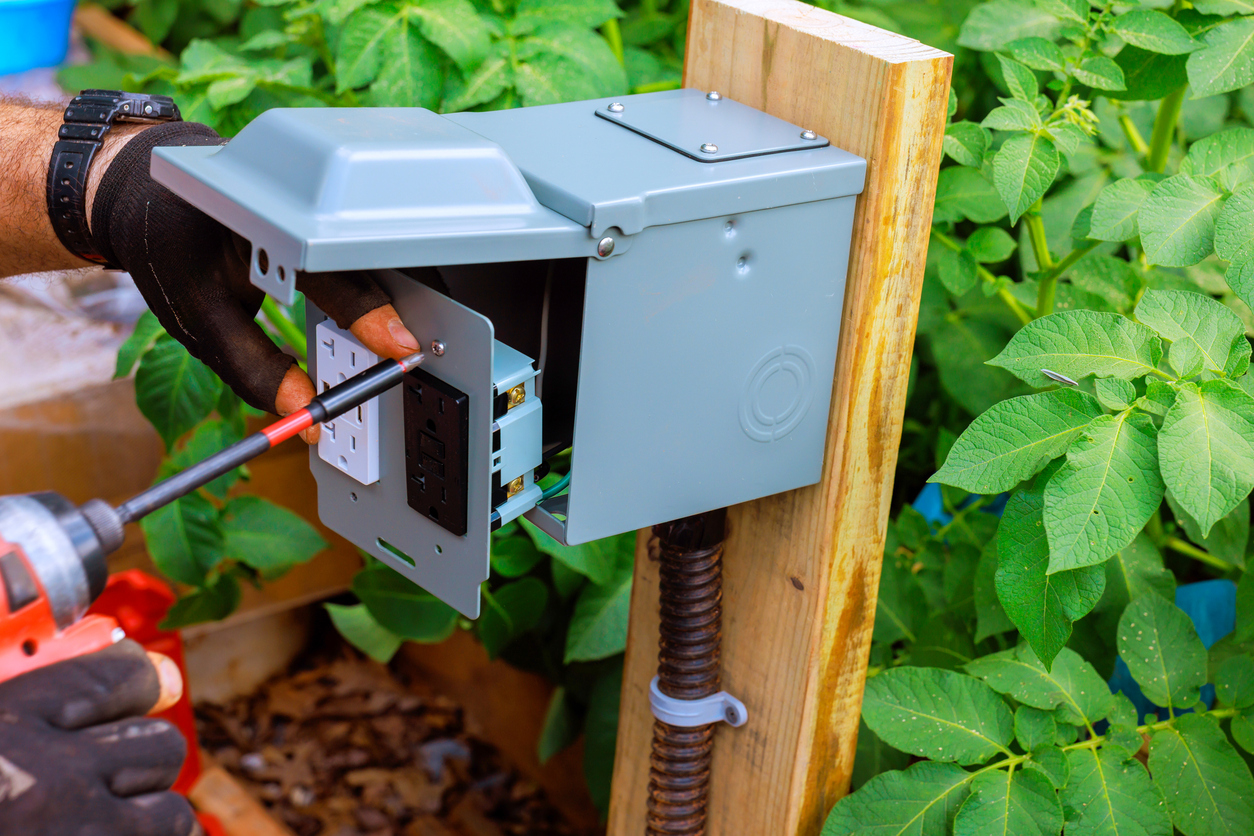
When I opened up the exterior outlet, I found some moisture inside the box. Over time, the seal had worn down from weather exposure, and water had made its way in. That’s usually where these problems start.
I also noticed the cover itself was pretty worn out. It was an older style that doesn’t fully protect the outlet when something is plugged in, so it leaves things more exposed than they should be.
On top of that, Jason had been using the outlet for equipment like a pressure washer. That kind of use isn’t necessarily wrong, but if the outlet isn’t set up properly for it, it can start to show weaknesses over time.
Around the Greater Charlotte area, I see this kind of situation quite a bit. Everything works fine for years, and then once spring hits and usage picks up, those small wear-and-tear issues start to show themselves.
The Process
I always approach outdoor outlet issues with safety in mind first, especially when water is involved. That’s usually where things can go wrong if it’s not handled properly.
I started by tracing the circuit back to the main GFCI. A lot of the time, it’s not even located outside. It can be in the garage or somewhere inside the house. Once I found it, it was clear the unit had failed and wasn’t resetting the way it should, so it needed to be replaced.
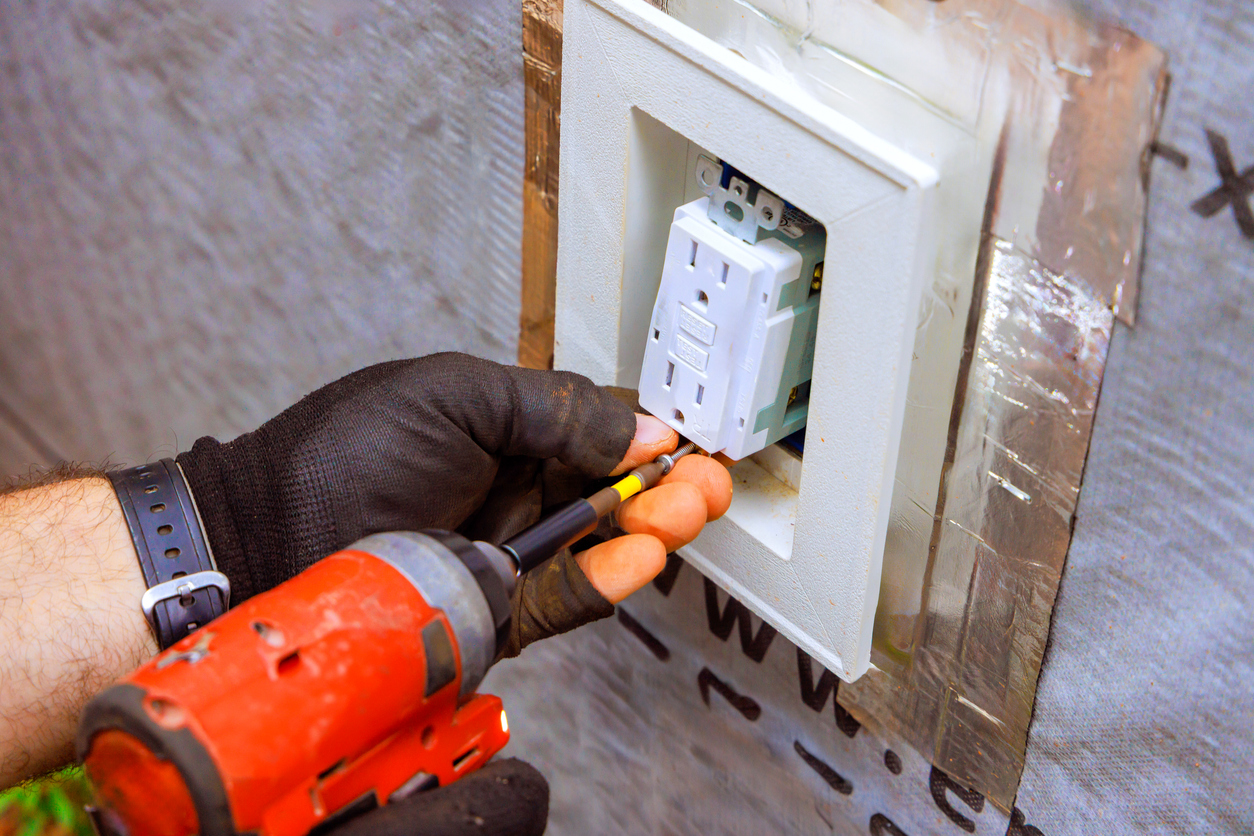
From there, I installed a new GFCI outlet so the circuit would have proper protection again. That’s what keeps everything safe by shutting things down if there’s any risk.
After that, I moved back outside and replaced the outlet and the box. The old setup had worn down over time, so I put in a weather-resistant outlet with a properly sealed box to keep moisture out.
To finish it off, I upgraded the cover to an in-use weatherproof cover. That way, even when something is plugged in, the outlet stays protected from the elements, which makes a big difference long term.
The Outcome
Once everything was replaced and tested, the outlet worked right away.
Jason plugged his pressure washer back in, and this time there were no issues — no tripping, no loss of power.
More importantly, the setup was now properly protected. The new GFCI responded the way it should, the outlet was sealed against moisture, and the cover actually protected it during use.
He told me, “I didn’t realize how much wear those outdoor outlets take over time.”
That’s something I hear a lot. Since they’re outside, people don’t always think about them until they stop working.
Now he can use his equipment without worrying about power cutting out or safety risks. It’s a small fix, but it makes a big difference in how reliable everything is.
"It's brighter than before!"
DIY Tips
— Megan
If you’re in the Greater Charlotte area, outdoor outlets are one of those things people don’t really think about until something stops working. I always say a quick check here and there can save you from dealing with a bigger problem later on.
I usually recommend starting with the GFCI. Press the test button and make sure the power shuts off, then hit reset to bring it back. If it doesn’t trip or won’t reset, it’s not protecting you the way it should, and that’s something worth getting checked.
It also helps to take a look at the outlet cover itself. It should close properly and seal tight. If it’s cracked, loose, or doesn’t stay shut, water can slowly make its way in, and that’s where a lot of these issues begin.
Another quick thing I tell people is just to open the cover and have a look inside. If you notice rust, dirt buildup, or any signs of moisture, that’s usually a sign the seal isn’t holding up anymore. Even a little bit of water over time can cause problems.
And when it comes to extension cords, I always remind people they’re fine for short-term use, but not something you want to leave outside long-term, especially when running heavier equipment. They wear down faster outside and can create more risk than people realize.
Professional Insight
Outdoor outlets are easy to forget about since they’re not something you see or use every day. But they actually go through a lot more than most parts of the home. Between rain, humidity, heat, cold, and regular use, they take a beating over time.
I’ve seen plenty of cases where it’s something small that starts the issue, like a worn cover or a loose seal. Once moisture gets inside, that’s when problems begin to build up.
The GFCI is there to protect you, especially around water. When it trips, it’s not being a hassle, it’s doing exactly what it’s supposed to do by shutting things down before it turns into something unsafe.
That’s why it’s important to keep everything in good shape. It’s not complicated, but it does need to be set up and maintained the right way so it keeps working safely over time.
Closing Thoughts
On my way back that day, I was thinking about how many homes across the Greater Charlotte area probably have outdoor outlets that haven’t been checked in years.
Most of the time, it’s not a major repair. It’s just replacing worn parts and making sure everything is protected the way it should be.
If your outdoor outlet has stopped working, trips often, or just doesn’t seem right, it’s worth taking a closer look.
If you’re in the Greater Charlotte area and need help with it, my team and I at Thomas & Sons Electrical Contractors are always here.
– Thomas
Owner, Thomas & Sons Electrical Contractors

Locations & Hours
Hours: M-F 8:00 am to 5:00 pm
Copyright 2026. All Right Reserved.