

We're Here to Assist You
Outdoor Lighting That Actually Works: A Recent Job & What to Look For
Category: Holiday
Published: 9 April 2026
By Thomas, Owner of Thomas & Sons Electrical Contractors
Every April, I start getting calls about outdoor spaces. The weather turns, people are outside more, and you start noticing what’s not working. Most of the time, it’s lighting.
A couple of weeks ago, I got a call from Mark in The Greater Charlotte area. He said, “We’ve got a nice backyard, but once it gets dark, we don’t really use it. It just feels too dim.”
That’s a situation I see a lot across The Greater Charlotte area. The space is there, but the lighting isn’t set up to support how people actually use it.
The Problem
When I got to Mark’s place, the backyard itself was in great shape. There was a patio, a seating area, and a small walkway leading out into the yard. You could tell they had put time and effort into it. But once the sun went down, most of it just disappeared into the dark. You could still step outside, but it didn’t feel comfortable or practical to actually use the space.
I had Mark walk out there with me in the evening so I could see it the way he was experiencing it. That always gives a clearer picture than looking at it during the day.
The first thing I noticed was that the lighting was too limited. There was only one light mounted on the back of the house. It covered the area near the door, but beyond that, it didn’t reach much. The patio had some visibility, but the seating area and walkway were mostly left in the dark, which made the space feel unusable.
The brightness was also uneven. That single fixture was doing all the work, so the area close to the house was overly bright, while everything else dropped off quickly into darkness. Your eyes adjust to that bright spot, which actually makes the darker areas harder to see when you move away from it.
The walkway into the yard stood out as well. There was no lighting along that path, so at night it was hard to see where you were stepping. It wasn’t causing issues yet, but it was easy to see how it could become a problem, especially for anyone unfamiliar with the layout.
At the end of the day, nothing was actually broken. The wiring was fine, the light worked, and everything had power. It just wasn’t set up in a way that made the space usable after dark.
The Process
When we handle outdoor lighting, the first step is always understanding how the space is actually used. There’s no point installing lights if they don’t match how the homeowner spends time outside.
I walked the yard with them and asked a few simple questions about where people usually sit, where they walk, and which areas felt too dark. That gives a much better starting point than just guessing where lights should go.
From there, we planned out the layout by breaking the space into sections. The patio, walkway, and yard edge all needed different types of lighting. Not everything should be lit the same way, so each area was approached a bit differently.
Before moving forward, we checked the electrical side to make sure everything could handle the additional lighting safely. With outdoor work, especially around moisture, it’s important to have proper protection in place.
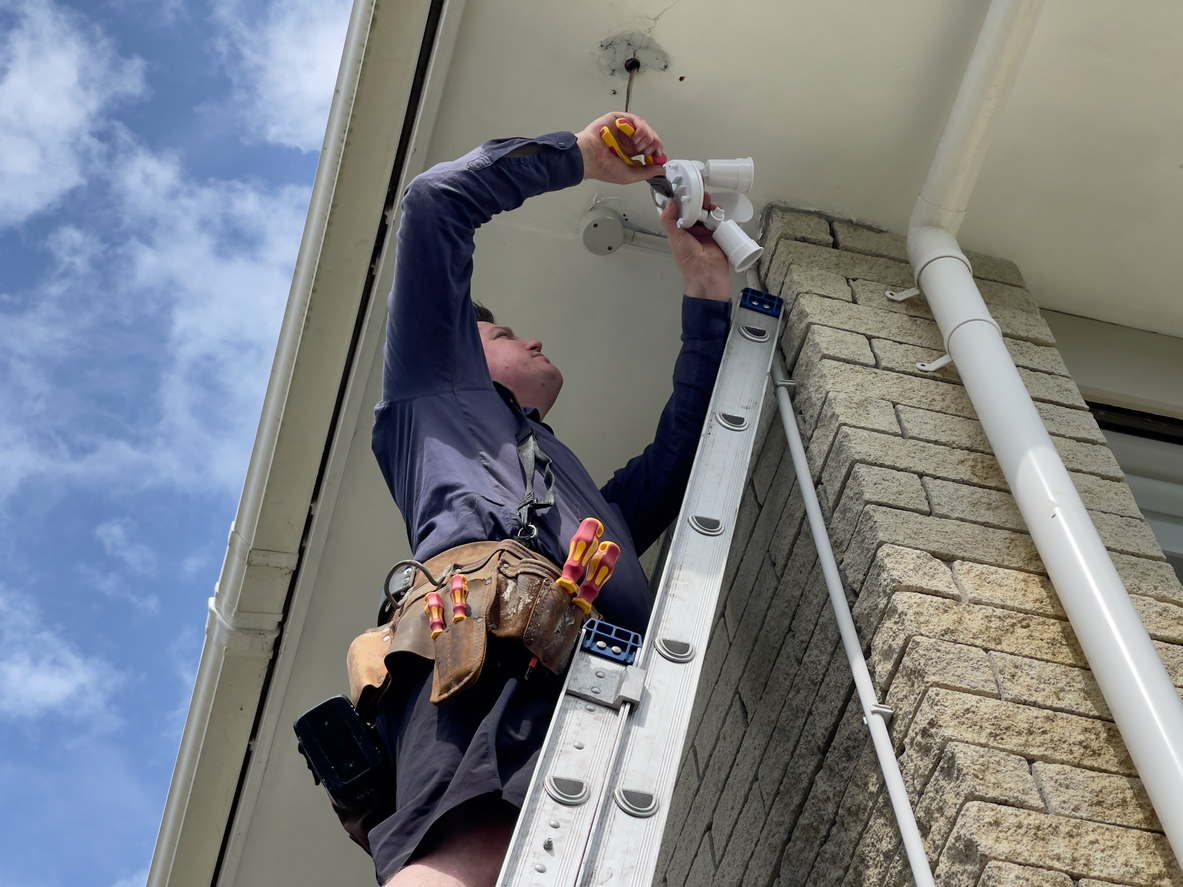
Once that was done, we handled the installation. We added soft overhead lighting for the patio, path lighting along the walkway, and a few low-level lights to give the yard some overall visibility. Everything was installed using outdoor-rated materials with proper boxes and protection.
To finish it off, we set up simple controls with a timer and switch system. That way, the lights come on automatically in the evening but can still be adjusted manually when needed.
The Outcome
We waited until it got dark to really see the difference.
This time, the entire space was usable.
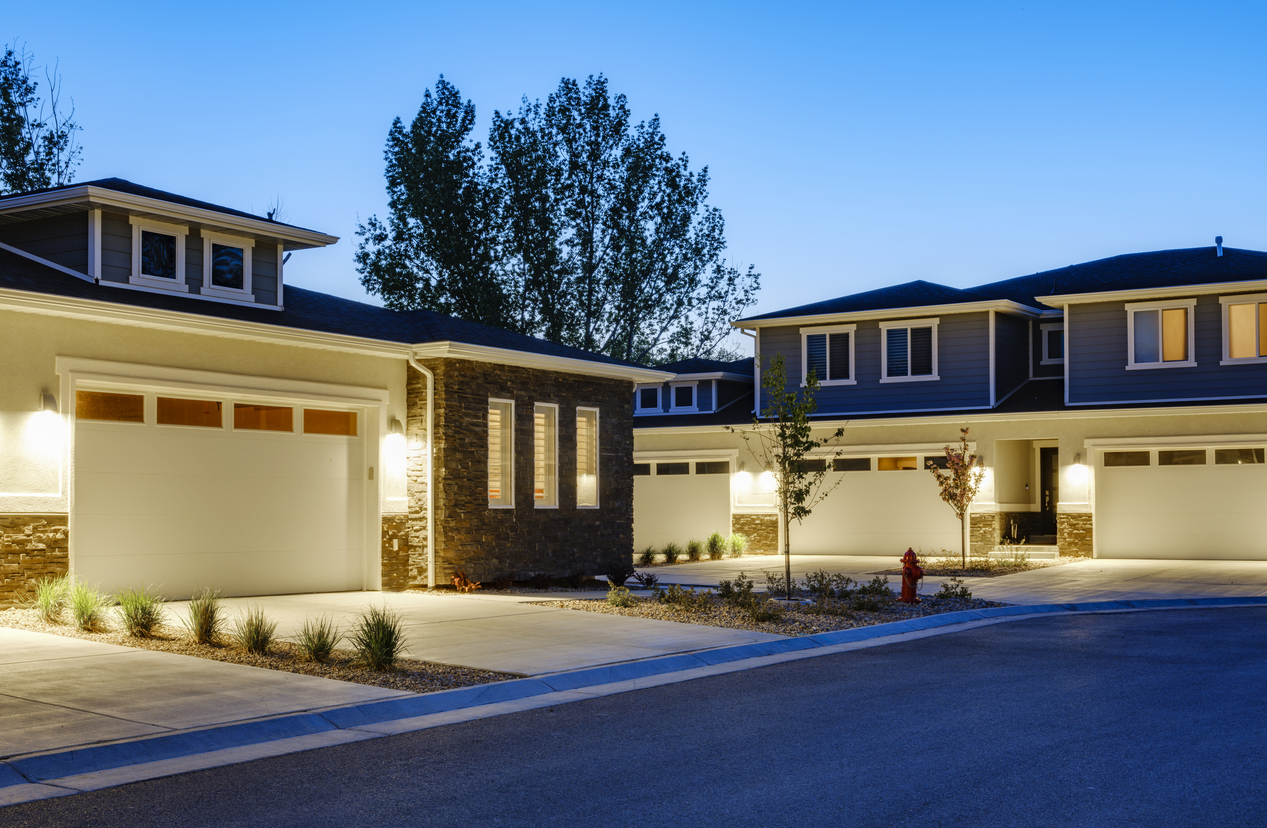
The patio had even light without being too bright. The walkway was clear and easy to follow. The yard had just enough light to feel open without overdoing it.
Mark walked outside, looked around, and said, “This is the first time we’ve actually been able to use this space at night.”
That’s really the goal with outdoor lighting. Not to make it flashy — just to make it functional.
Now they’re using the space more, not worrying about where they step, and not dragging cords or temporary lights outside.
"It's brighter than before!"
— Megan
DIY & Maintenance Tips for Homeowners
If you’re in The Greater Charlotte area and thinking about your own outdoor lighting, there are a few simple things worth checking.
I always suggest starting with how you actually use the space. It’s easy to focus on where lights are already installed, but what really matters is where you need visibility.
It’s also better to avoid relying on one bright light. Multiple softer lights tend to work better and reduce harsh shadows across the yard.
I recommend keeping an eye on outdoor fixtures as well. If something starts flickering or cutting out, it could be a sign of moisture getting into the connection.
And it’s important not to leave temporary setups in place. Extension cords and plug-in lights might work short term, but they’re not meant for long-term outdoor use.
I went over these with Mark so he knows what to watch for moving forward.
Professional Insight
Outdoor lighting seems simple, but it’s one of those things that needs to be done right to last.
Between weather, moisture, and temperature changes, outdoor electrical work takes more wear than anything inside the house.
If connections aren’t sealed properly, or if the wrong materials are used, you’ll start seeing problems pretty quickly.
That’s why we stick to proper installation methods and code requirements. It’s not about making it complicated — it’s about making sure it works the way it should long-term.
Closing Thoughts
On my way back that evening, I was thinking about how many homes acrossThe Greater Charlotte area have outdoor spaces that just sit unused after sunset.
Most of the time, it’s not a major overhaul that’s needed — just a better setup.
If your yard, patio, or walkway feels too dark to use comfortably, it’s worth taking a closer look at how the lighting is set up.
If you need help figuring it out, my team and I at Thomas & Sons Electrical Contractors are always here.
– Thomas
Owner, Thomas & Sons Electrical Contractors

Locations & Hours
Hours: M-F 8:00 am to 5:00 pm
Copyright 2026. All Right Reserved.