
We're Here to Assist You
Electrical Panels Upgrade - A Recent Job & Some Homeowner Tips
Category: Holiday
Published: 15 March 2026
By Thomas, Owner of Thomas & Sons Electrical Contractors
Every March, I start getting more calls about electrical panels than any other time of year. Maybe it’s because folks are tackling spring projects. Maybe it’s because HVAC systems are about to kick back on.
Either way, panel upgrades are on a lot of homeowners’ minds across North and South Carolina.
A couple of weeks ago, I got a call from David in Fort Mill, South Carolina. He said, “Thomas, every time we run the oven and the dryer together, the breaker trips. And we’re thinking about adding a hot tub this summer.”
That right there told me we were probably dealing with an overloaded panel.
The Problem
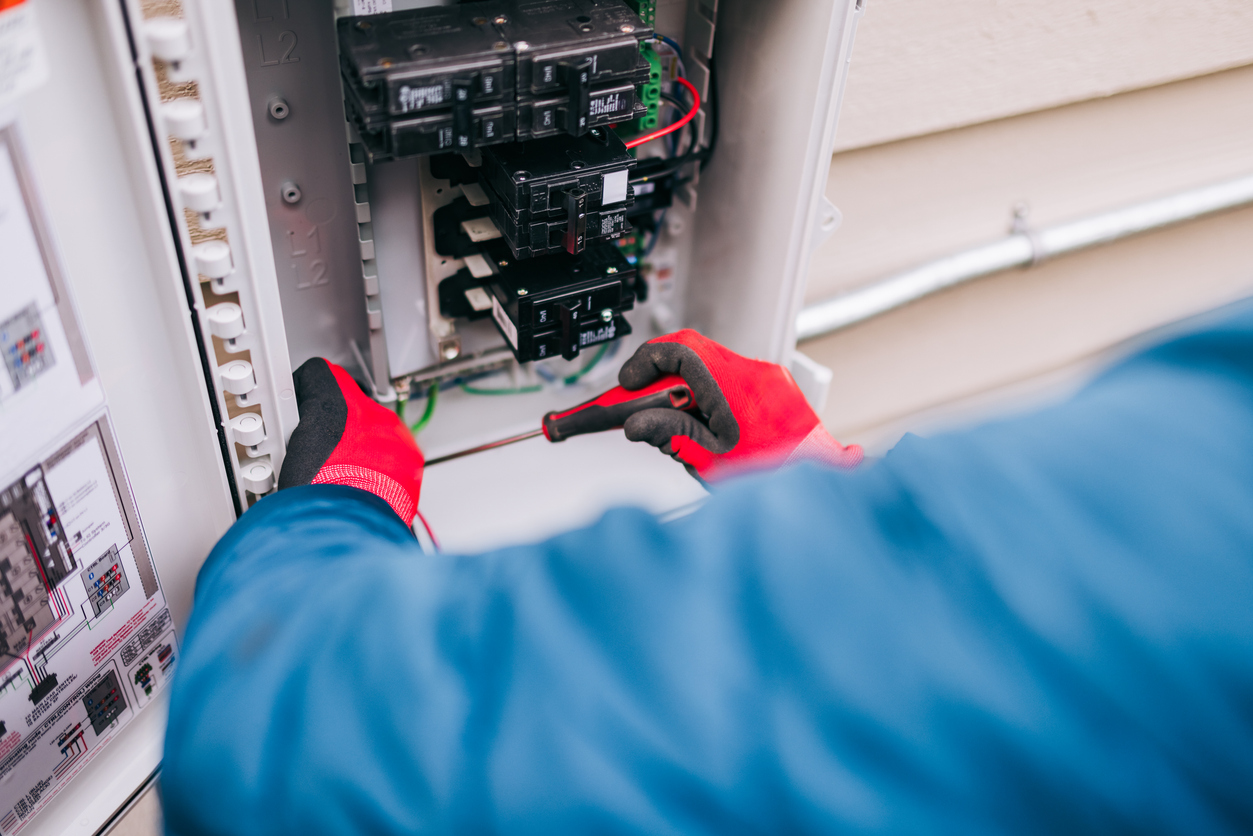
When I arrived at David’s home, everything looked fine at first glance. The house was built in the late 1990s, clean and well kept. But once I opened the electrical panel, the issue became clear.
Here’s what I found:
1️Limited Panel Capacity
The home had a 100-amp panel. Back in the day, that was enough. But today, with larger HVAC systems, multiple kitchen appliances, home offices, and plans for a hot tub, 100 amps just wasn’t cutting it anymore.
2️Overcrowded Breakers
Several breakers were double-tapped, meaning two wires were connected where only one should be. That’s not just messy — it’s unsafe and against code.
3️No Room for Expansion
There were no open breaker slots left. If David wanted to add anything new, there was simply nowhere to put it.
When panels are overloaded like that, you’ll see warning signs: breakers tripping often, lights dimming when appliances run, or buzzing sounds near the panel. It’s not just inconvenient — it can become a real safety issue.
The Process
Whenever my team and I handle a panel upgrade, treat it like the heart of the home — because that’s exactly what it is. Everything flows through it.
Here’s how we approached David’s upgrade:
Step 1: Load Calculation
We calculated the home’s actual electrical demand. That includes square footage, major appliances, HVAC, and planned additions like the hot tub. This tells us what size panel the home truly needs.
Step 2: Utility Coordination
We coordinated with the local power company in South Carolina to safely disconnect and reconnect service. This step is critical and has to be handled properly.
Step 3: Safe Removal of the Old Panel
Power was shut off completely. We removed the 100-amp panel and inspected all incoming wiring to make sure everything was in good shape before installing the new system.
Step 4: Installing the New 200-Amp Panel
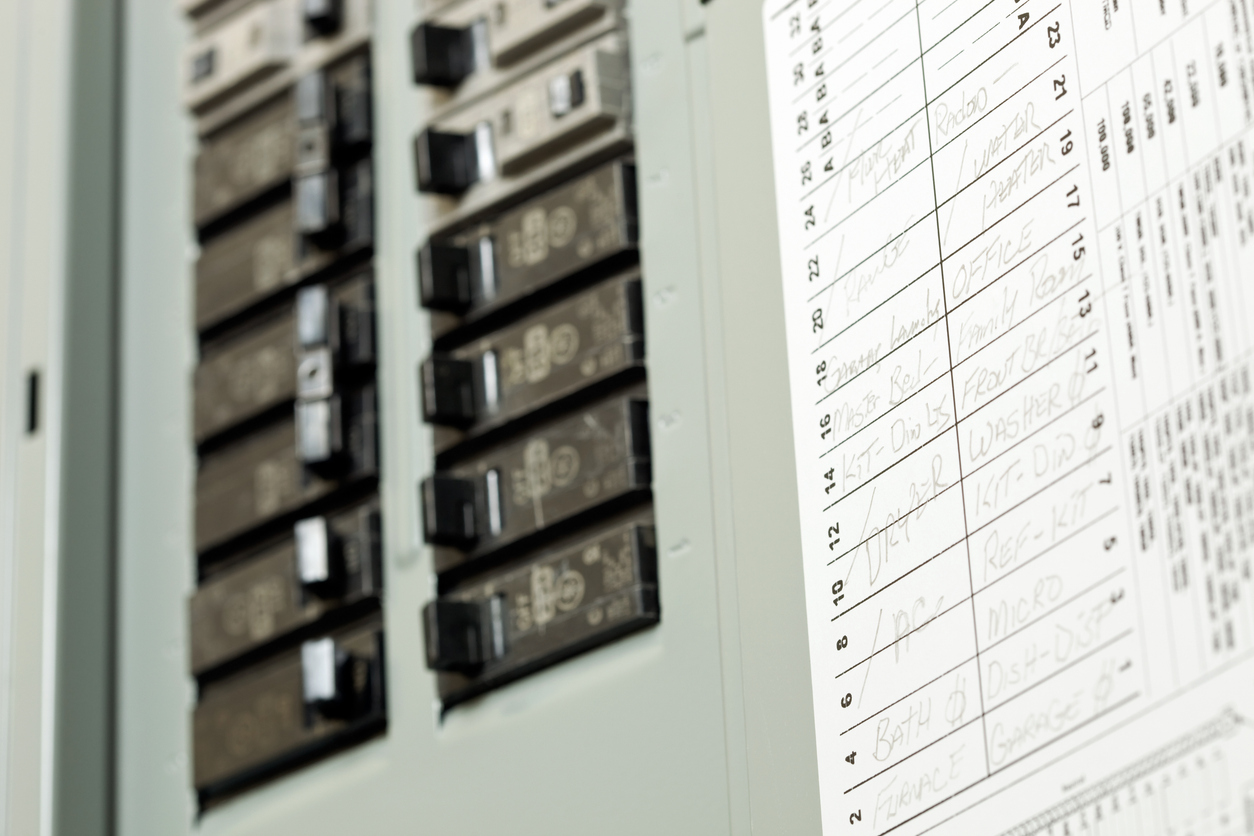
We installed a modern 200-amp panel with properly labeled breakers, dedicated circuits, and room for future expansion.
Every connection was tightened, torqued to manufacturer specs, and tested before restoring power.
We also made sure everything met NEC standards and local North & South Carolina code requirements.
The Outcome
Once restored power, I didn’t just flip the main breaker and call it a day and tested everything under real conditions.
I also checked voltage levels across the circuits while those appliances were running. Everything was balanced and within safe range. The breakers weren’t heating up, and the load was distributed the way it should be.
David stood there watching the panel for a minute and said, “I didn’t realize how stressed the old one was.”
With the new 200-amp panel installed, there’s now space for additional circuits, properly separated loads, and clear labeling so everything is easy to identify. If he decides to install that hot tub or add an EV charger later, he won’t be starting from scratch. The system is already built to handle it.
The house feels the same on the outside — but behind the walls, the electrical system is safer, more stable, and ready for what his family needs next.
"It's brighter than before!"
— Megan
DIY & Maintenance Tips for Homeowners
If you live in North or South Carolina, here are a few simple things to keep an eye on:
1️Watch for Frequent Breaker Trips
If a breaker trips more than once a month under normal use, don’t ignore it. It’s usually a sign your panel is overloaded.
2️Check Your Panel Age
If your panel is 25–30 years old or older, it’s worth having it inspected — especially if you’ve added new appliances over time.
3️Feel for Heat
The panel door should never feel warm. If it does, turn off power and call a licensed electrician.
4️Plan Before You Add
Before installing a hot tub, EV charger, or new HVAC system, have your panel evaluated first. It can save you from bigger issues later.
I gave David the same advice. A year from now, when he adds that hot tub, his panel will already be ready.
Professional Insight
An electrical panel upgrade isn’t about “more power.” It’s about safe distribution.
When panels are overloaded, wires can overheat behind walls where you can’t see it. Connections loosen over time. Breakers wear out. These things don’t always fail dramatically — sometimes they just quietly run hotter and hotter.
That’s why professional installation matters.
We use proper torque tools, load calculations, grounding checks, and code compliance inspections. Every panel we install is done to NEC standards and local Carolina regulations. That protects your home, your family, and your investment.
Cutting corners on a panel upgrade is never worth it.
Closing Thoughts
On my drive back into North Carolina that evening, I kept thinking about how many homes across the Carolinas were built for a different time — before smart TVs, electric cars, and modern kitchens.
Homes grow. Families grow. Power needs grow.
Your electrical panel should grow with you.
If your breakers are constantly tripping, your lights flicker, or you’re planning to add new equipment, it may be time to take a closer look.
If you’re anywhere in North or South Carolina and have questions about your panel, my team and I at Thomas & Sons Electrical Contractors are here to help.
Stay safe, keep your power steady, and don’t wait until the breakers start shouting at you.
– Thomas
Owner, Thomas & Sons Electrical Contractors

Locations & Hours
Hours: M-F 8:00 am to 5:00 pm
Copyright 2026. All Right Reserved.