Locally Owned & Locally Operated in the carolinas
Reliable Power. Safe Homes.
We Answer – Arrive on Time – Leave No Mess.
100% Satisfaction Guarantee - Highest Quality Choice
5.0 Star Average Google Rating

WHAT ELECTRICAL ISSUES ARE YOU DEALING WITH?
Solutions for Every Electrical Need
Keep your home or business powered safely with professional electrical services across North and South Carolina. Explore our full range of services below — from repairs and upgrades to safety inspections — and schedule your appointment today.
With Over Many Years of Field Experience
Why Choose Us?
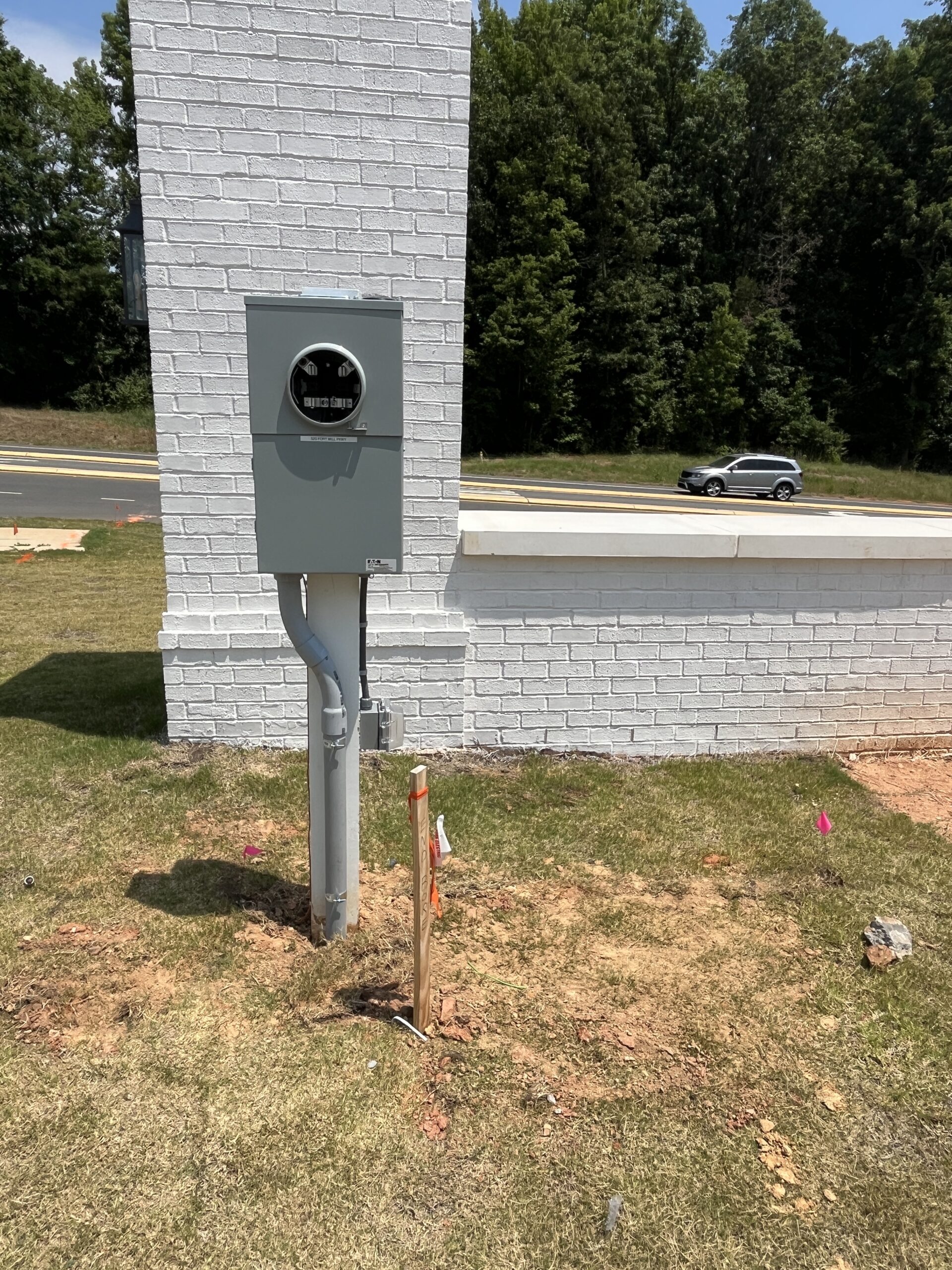
At Thomas & Sons Electrical Contractors, we go beyond quick fixes — our goal is to provide safe, lasting electrical solutions built on honesty, precision, and care. With years of real-world experience across North and South Carolina, we handle everything from wiring and panel upgrades to lighting and safety inspections. Our licensed electricians take the time to understand your home’s unique electrical setup and deliver dependable results that stand the test of time. Whether it’s a small repair or a full system upgrade, we focus on safety, quality, and clear communication every step of the way — because when it comes to your home’s power, you deserve peace of mind.
A SIMPLE, EFFECTIVE PROCESS
Every service starts with a detailed consultation
We begin every job with a full in person consultation to find the root of the issue — from wiring and outlets to panels and circuits. This helps us create a clear plan tailored to your home or business, ensuring the problem is fixed the right way the first time.
We don’t rely on quick fixes — we focus on safe, lasting solutions that meet code and keep your system running smoothly.
Every consultation is handled by a licensed, experienced electrician — not a salesperson
Every customer receives a comprehensive electrical report with clear findings and recommendations
TRUSTED, FAMILY-RUN ELECTRICAL SERVICE
Our 5 Step Process:
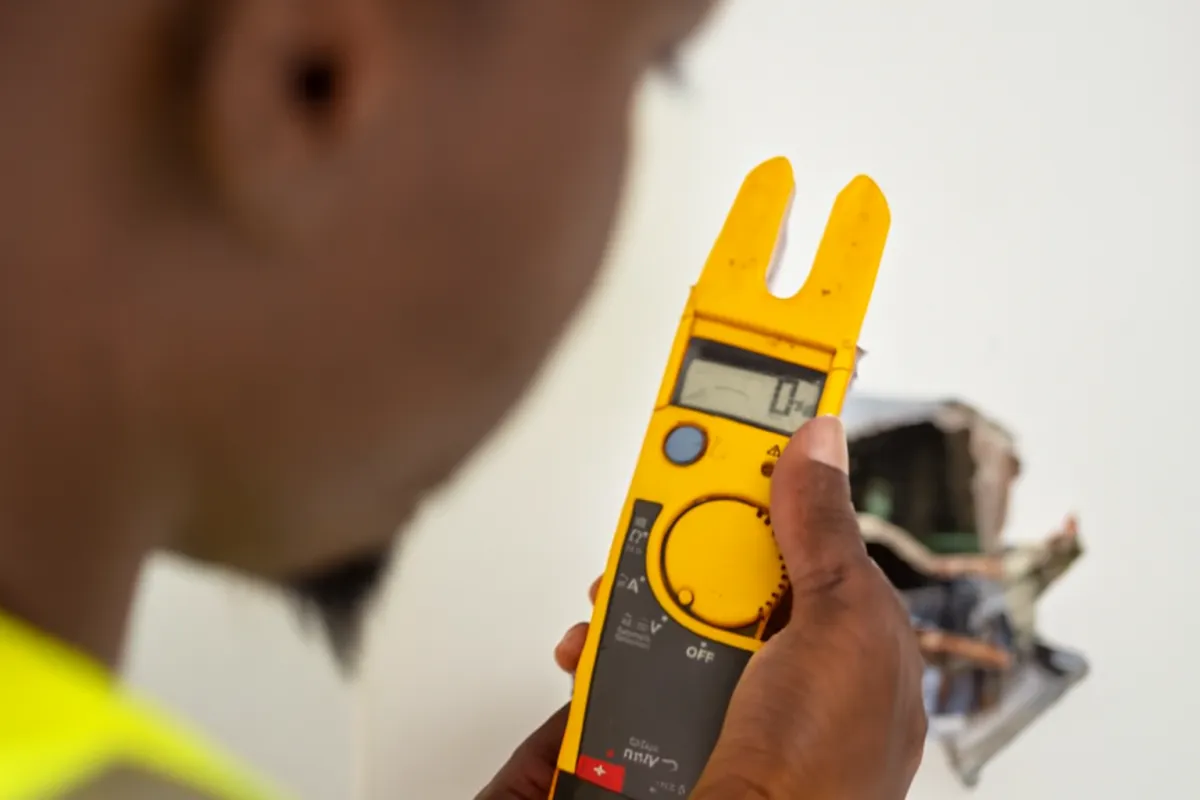
At Thomas & Sons Electrical Contractors, we follow a clear, five-step process to make sure every project is done safely, correctly, and built to last. Each step is handled with care — from Electrical Safety & Code Review to final testing — so your home or business stays powered with confidence.
Consultation
We begin with a full in person consultation to find issues such as faulty wiring, overloaded circuits, or outdated panels. We identify the root cause before starting any repairs or upgrades.
Plan
Our team builds a customized plan for your home or business — whether it’s an outlet replacement, panel upgrade, or full rewiring. No shortcuts or one-size-fits-all fixes.
Repair or Install
Using professional-grade tools and modern materials, we complete repairs or new installations safely and efficiently, following all current electrical codes.
Test
After the work is complete, we test every outlet, breaker, and connection to make sure your system is safe and running smoothly.
Maintain
We provide ongoing advice and maintenance tips to help prevent future issues and keep your electrical system reliable year-round.
Professional, reliable, & eco-conscious
5.0 rating on Google

Jeremy was the person that came and he was awesome very thorough very informative very helpful very willing I cannot say nothing about this young man he was awesome highly recommend Jeremy to anyone and everyone.
- Lisa Weaver
Frequently Asked Questions
1. What areas do you serve?
We proudly serve homeowners and businesses across North and South Carolina, including Waxhaw, Waverly, Wesley Chapel, Fort Mill, Rock Hill, Indian land, Lancaster, Ballantyne, Charlotte and surrounding areas.
2. Are your electricians licensed and insured?
All electrical work is performed under our fully licensed and insured North & South Carolina Electrical Contractor’s license.
3. What types of electrical work do you handle?
We cover everything from panel upgrades and wiring repairs to lighting installations, outlet replacements, GFCI protection, and electrical safety & code compliance surveys. Whether it’s a small fix or a full remodel, we can help.
4. How do I know if my electrical panel needs an upgrade?
Most electrical panels have an average lifespan of 20–25 years. If your panel is older than that, or you’re seeing signs like frequent breaker trips, lights flickering or dimming when appliances turn on, warm breakers, or buzzing sounds, it’s worth getting it checked. We can look over the panel for you and let you know if it’s past its recommended service life or showing wear that needs attention.
5. Do you offer emergency electrical services?
Yes. We provide 24/7 emergency electrical service for issues like power loss, burning smells, or sparks. If something feels unsafe, call us right away — we’ll respond quickly.
6. Do you perform electrical inspections?
While many homeowners search for an “electrical inspection,” official electrical inspections can only be performed by a government Authority Having Jurisdiction (AHJ), such as a city or county electrical inspector. Licensed electrical contractors are not permitted to perform or certify official inspections for permitting, real estate closings, or certificates of occupancy.
What we do offer is a comprehensive Electrical Safety & Code Compliance Survey. This professional evaluation is designed to identify safety concerns, common code violations, and areas of your electrical system that may need repair or upgrading—giving you the clarity most homeowners are actually looking for when they search for an electrical inspection.
7. Can you install EV chargers or backup generators?
Absolutely. We install EV charging stations, whole-home generators, and transfer switches — making sure your electrical system is ready for modern energy needs.
8. What’s the difference between an AFCI, a GFCI, and a standard receptacle?
An AFCI receptacle protects against electrical fires by shutting off power if it detects dangerous arcing.
A GFCI receptacle protects against electrical shock by cutting power instantly if moisture or an unsafe current path is detected.
A standard receptacle just provides power and doesn’t include either of these safety features.
9. How long does a typical electrical job take?
The timeline really depends on the type of work. Our standard appointment window for installs is two hours, but some jobs take less and others take longer depending on what’s being done. Once we know the details of your project, we’ll give you a clear expectation so you know exactly what to plan for.
10. What makes Thomas & Sons different from other electrical companies?
We keep things simple — you get experienced electricians, not salespeople. We focus on doing the job the right way, respecting your home, and leaving everything as clean (or cleaner) than we found it. Our goal is to make the whole process straightforward and stress-free while giving you solid, long-lasting work you can count on.
11. What is included in your Electrical Safety & Code Compliance Survey?
Our Electrical Safety & Code Compliance Survey provides a thorough review of your home’s electrical system, including:
- Inspection of the main electrical panel and breakers
- Identification of common electrical code violations and safety hazards
- Evaluation of GFCI, AFCI, and grounding where applicable
- Visual inspection of accessible wiring, outlets, switches, and connections
- Assessment of older or non-compliant electrical components
- Infrared thermal scanning of the panel and critical components (when applicable)
- A clear, easy-to-understand summary of findings with recommended corrections
If an official city or county inspection is required, we can also complete the necessary repairs to help ensure your system is ready to pass an AHJ inspection.
Safe Power, Reliable Homes
You Stay Comfortable, we keep the lights on.
Address
Toronto Headquarters
1914 Loggerhead Dr. Lancaster, SC 29720


© 2026 Thomas & Sons Electric Contractor. All rights reserved.
For a Faster Quote
Call: +1 980 236-1675